Latest PostsSocial Media
Social media has rapidly evolved from a casual communication channel into one of the most powerful tools in healthcare marketing. In 2025, patients are no longer passive recipients of care, they’re active participants who research providers, read peer experiences, and form expectations long before stepping into a clinic. With more and more adults turning to social platforms for health information, providers face both an opportunity and a challenge: how to leverage these platforms effectively while maintaining compliance, trust, and meaningful patient engagement. This guide explores what actually works in healthcare social media marketing today, offering strategies that balance education, visibility, and regulatory requirements.
Why Social Media Matters in Healthcare Today
Social media has fundamentally transformed healthcare communication, creating unprecedented opportunities for connecting providers with patients. Billions of adults worldwide use these platforms to connect with peers. Beyond mere communication, social media has become a powerful tool for healthcare marketing, patient education, and building trust in an increasingly digital-first healthcare environment.
Changing patient behavior and expectations
Today’s healthcare consumers approach medical decisions differently than previous generations. Internet users now search for health information online, with many actively engaging with social media for health-related content. This shift represents a fundamental change in how patients research symptoms, evaluate providers, and make treatment decisions.
Moreover, social media significantly influences patient expectations about treatments. Social media has greatly affected patient expectations from seeing idealized images of procedures they encounter online. Additionally, when patients perceive substantial health misinformation on social media, they tend to report lower trust in the healthcare system overall.

The rise of digital-first healthcare decisions
The healthcare decision journey increasingly begins online. Social media has become a primary source of health information, exemplified during the COVID-19 pandemic when it became a predominant information channel for patients. However, this trend presents both opportunities and challenges. While social media can effectively educate patients, poor-quality information can lead to disappointment when treatment results don’t match expectations.
Social media builds trust and visibility
Healthcare organizations have recognized social media’s power for building institutional trust and visibility while shaping patient perceptions of healthcare quality. Therefore, strategic healthcare social media marketing isn’t just beneficial, it’s becoming essential for providers seeking to build awareness, educate patients, and maintain visibility in an increasingly competitive digital landscape.
5-Step Healthcare Social Media Strategy That Works
Developing an effective healthcare social media strategy requires a structured approach that balances patient engagement with regulatory compliance. Unlike other industries, healthcare organizations must navigate unique challenges while leveraging digital platforms to build trust and provide value. Here’s a five-step framework that yields measurable results for healthcare providers.
Step 1: Set clear, measurable goals
Begin with specific, measurable, achievable, relevant, and time-bound (SMART) objectives for your social media efforts. Whether you’re aiming to build reputation within a community, raise awareness on public health topics, mitigate panic during health crises, or attract top talent, your goals should directly connect to broader organizational objectives. For instance, rather than simply “increasing engagement,” target “increasing patient engagement on your hospital’s Instagram account by 20% within the next quarter”. This specificity creates accountability and makes success measurable.
Step 2: Understand your audience personas
Effective healthcare marketing requires detailed knowledge of who you’re trying to reach. Create comprehensive patient personas that capture demographics, online behaviors, content preferences, and health concerns. For example, consider whether you’re targeting current patients seeking ongoing care information, prospective patients researching treatment options, healthcare professionals looking for collaboration, or community partners. This segmentation allows you to craft messages that genuinely resonate with each audience’s specific needs and communication preferences.
Step 3: Choose the right platforms for your goals
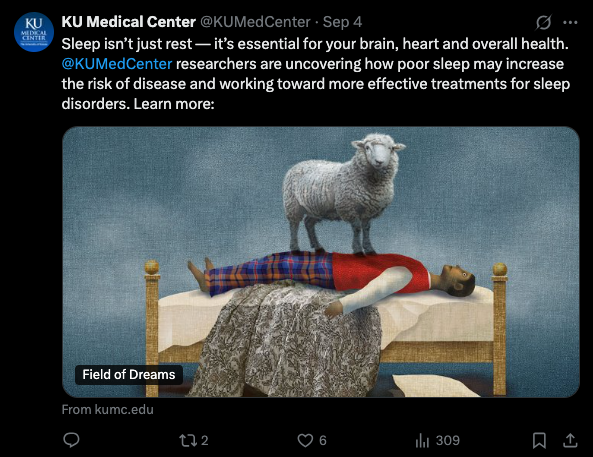
Not all social media platforms serve the same purpose in healthcare marketing. Facebook offers broad reach and supports detailed health information, while X (formerly Twitter) excels at real-time updates during health crises. LinkedIn connects 4.5 million healthcare professionals worldwide, making it ideal for B2B healthcare networking. Instagram’s visual storytelling showcases patient success stories and authentic behind-the-scenes glimpses. Select platforms based on where your target audience spends time and which formats best communicate your message.
Step 4: Create content that educates and engages
Healthcare social media content should balance educational value with engagement. Publish educational resources that keep patients informed, use inspirational content to motivate followers, and create infographics for increased engagement. Essentially, aim for a content mix of 60% evergreen health information, 25% seasonal updates, and 15% responsive content for emerging topics. This approach builds credibility while maintaining audience interest.
Step 5: Build a workflow for consistency and compliance
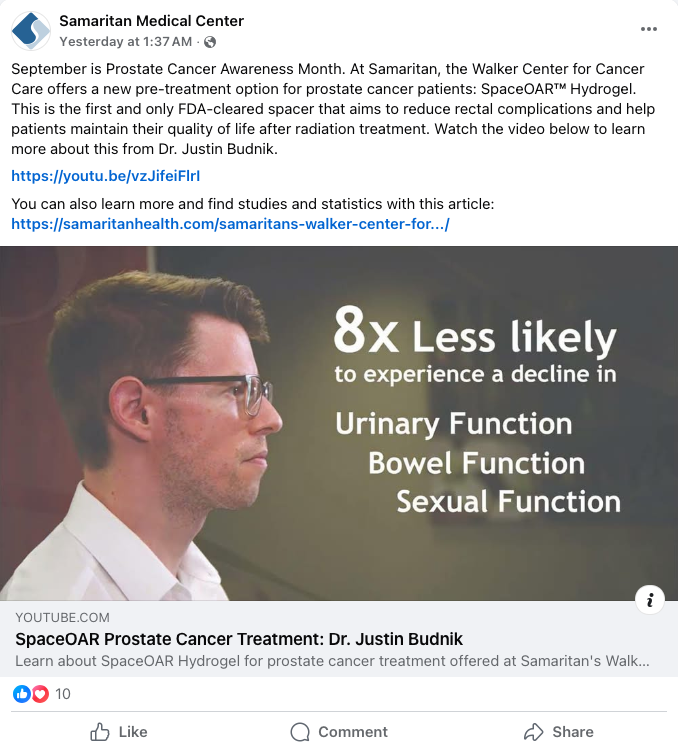
Establish clear social media governance that defines roles, responsibilities, and approval processes. Given healthcare’s regulatory environment, maintaining HIPAA compliance is non-negotiable. Implement strong data security measures, regularly review posts for privacy violations, and conduct compliance training for your team. Create a crisis communication plan with pre-approved message templates and clear approval chains for emergencies. Finally, use analytics tools to track performance and refine your strategy based on audience engagement.
Best Practices For Content And Engagement
Creating compelling healthcare content requires a nuanced approach that resonates with patients while maintaining professional standards. Indeed, successful healthcare social media marketing depends on more than just posting regularly as it requires strategic content that builds authentic connections.
Use storytelling to humanize your brand
Effective healthcare narratives create emotional connections with patients. According to research, 70% of purchasing decisions are unconsciously driven by emotions. Healthcare organizations can foster trust by sharing patient journeys, staff spotlights, and behind-the-scenes glimpses that demonstrate empathy and expertise.
Balance educational and promotional content
Research indicates that content mixing educational health information (60%), seasonal updates (25%), and responsive content (15%) builds credibility while maintaining audience interest.
Leverage user-generated content with consent
Patient reviews serve as information-filtering mechanisms, helping others find suitable providers. Nevertheless, always obtain explicit written consent before sharing patient stories or testimonials to maintain HIPAA compliance.
Incorporate trending topics and seasonal health tips
Seasonal content addressing timely health concerns drives engagement. From summer hydration tips to winter immunity guidance, creating content that aligns with seasonal health trends helps practices stay relevant. Studies show prospective patients perceive greater value when healthcare providers offer timely, contextual information.
Compliance, Tools, and Performance tracking
Navigating regulatory requirements presents unique challenges for healthcare social media marketing. Effective strategies must balance compliance with performance tracking to deliver measurable results.
Understanding HIPAA and FDA rules for social media
HIPAA regulations protect patient privacy by prohibiting the sharing of Protected Health Information (PHI) without explicit written consent. Healthcare organizations must secure patient authorization before sharing any content that might reveal identifiable information. Notably, FDA guidelines govern how medical products and services are promoted online, requiring balanced presentation of benefits and risks.
Top tools for scheduling, design, and analytics
Healthcare marketers primarily rely on two types of analytics tools. Inbuilt analytics (like Meta Business Suite) provide platform-specific metrics at no cost. Meanwhile, add-on tools such as Google Analytics and Hootsuite offer cross-platform monitoring capabilities. Sprout Social enables healthcare organizations to track brand sentiment and measure ROI across campaigns.
Key metrics to track: engagement, CTR, ROI
Successful healthcare organizations track three key metric categories:
- Reach metrics (followers, audience size, visibility)
- Engagement metrics (comments, shares, saves)
- Conversion metrics (appointment bookings, donations, job applications)
How to audit and adjust your strategy regularly
Regular performance audits help identify opportunities for improvement. Whether conducted weekly or monthly, these reviews should assess metrics against benchmarks, either personal targets, peer comparisons, or specific KPIs. Subsequently, adjust your content mix and posting frequency based on data-driven insights.
Final Thoughts
Healthcare social media marketing is no longer optional, it’s essential. By setting measurable goals, understanding audiences, choosing the right platforms, and creating valuable content, providers can build trust and visibility while staying compliant with HIPAA and FDA regulations. The most successful organizations blend education with storytelling, track performance consistently, and adjust strategies based on real data. Those who embrace these principles will strengthen patient relationships, enhance their reputation, and deliver better care in today’s digital-first healthcare landscape.
Key Takeaways
Healthcare social media marketing has become essential for building patient trust and visibility, with strategic implementation driving measurable results in 2025.
• Patient behavior has shifted digital-first: Billions of adults use social media for health information, making online presence crucial for healthcare providers to reach and educate patients effectively.
• Follow a structured 5-step strategy: Set SMART goals, understand audience personas, choose appropriate platforms, create educational content, and establish compliant workflows for consistent results.
• Balance education with engagement: Use 60% evergreen health content, 25% seasonal updates, and 15% responsive topics while incorporating storytelling to humanize your healthcare brand.
• Prioritize compliance without sacrificing performance: Maintain HIPAA regulations and FDA guidelines while tracking key metrics like engagement, CTR, and ROI to optimize your strategy.
• Leverage platform-specific strengths: Facebook for broad reach, LinkedIn for professional networking, Instagram for visual storytelling, and X for real-time health updates and crisis communication.
Healthcare organizations that implement these evidence-based strategies while maintaining regulatory compliance will build stronger patient relationships, enhance their reputation, and ultimately improve care delivery in an increasingly digital healthcare landscape.

Founder of SL Development. Obsessed with the web and love working in SEO and PPC. I’ve spent my career implementing enterprise digital marketing campaigns, leading the digital division of a marketing agency, building a company and countless hours consulting business owners about their websites and advertising.